
Are Car Tires Tubeless? Your Tire Questions Answered
June 17, 2022
It's difficult to underestimate the importance of your car's tires. Your tires provide traction, stopping power, handling, and help ensure your ride is smooth and comfortable. The right set of tires can even help you improve fuel economy, while another can help you feel more confident driving in winter weather. Though on the surface a tire may just appear to be a tire, there are some differences between the tires on your car and those on your bicycle. Your car's tires are carefully designed ‐ and are much more complex than they appear at first glance.
For example, the tires on your bicycle are likely to have tubes inside of them
but what about the tires on your car? Learn everything you need to know about tubeless car tires.
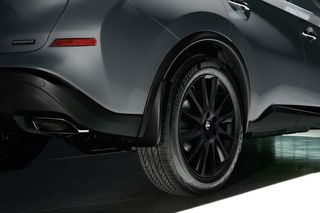
Are Car Tires Tubeless?
Yes, modern car tires are tubeless. Tubeless car tires were first developed in the late 1920s to address some of the downsides of tubed tires, like pinch flats and frequent punctures caused by sharp objects. However, these early tubeless tire projects were abandoned until the mid-1940s. Beginning in 1955 (when car production began to soar) tubeless tires became standard for all vehicles. Therefore, it's unlikely you'll ever drive a modern passenger vehicle with tubed tires.
However, you may still encounter tubed tires elsewhere. Bikes, tractors, classic cars, buses, and even some motorcycles may still use tubeless tires.
What's The Difference Between Tubed and Tubeless Tires?
Tubed Tires
First, it's important to understand what a tubed tire is. As the name suggests, tubed tires contain a separate inner tube made of rubber or latex that helps contain pressure within the tire to maintain consistent tire inflation. Tubed tires are not airtight, and the innertube must be inflated to hold the tire to the wheel. Tubed tires are typically made of a firm, thick rubber compound that results in a heavy, stiff tire that retains its round shape on its own. However, tubed tires are prone to pinch flats and can quickly deflate if punctured by a sharp object.
Tubeless Tires
Tubeless tires, on the other hand, do not contain an inner tube. Tubeless tires fit tightly to contain air directly between the tire and rim. Within the tire walls, tire beads, bead filler, and inner liner work to contain air. As there's no tube (and no risk of a pinch flat!) tubeless tires can use lower air pressure levels to achieve better traction. Due to their airtight design, tubeless tires are better able to maintain air pressure. Additionally, tubeless tires are lightweight compared to their tubed counterparts ‐ resulting in better fuel economy.
How Do Tubeless Tires Work: The Anatomy 101
On a surface level, tires appear to be simple. However, creating a tubeless tire requires a careful blend of chemistry and physics. Working from the inside of the tire out, here's a quick tire anatomy refresher.
- Tire Beads: Metal tire beads hold the tire to the wheel rim to keep the tire in place as the wheel rolls.
- Bead Filler: Rubber bead filler is housed inside the tire beads to provide stability to the sidewall and tire bead.
- Radial Cord Body: Body plies made of rubber coated fabric cords comprise the radial cord body. The radial cord body strengthens the tire and helps disperse force from the tread to the wheel.
- Inner Liner: A rubber compound bonded to the cord body that helps retain air pressure.
- Belt Plies: Two or more layers of tough metal cord make up the belt plies. Belt plies are found just under the tire tread and provide needed strength and stability.
- Sidewall: The side of the tire from the tread to the bead. The sidewall covers and protects the radial cord body.
- Tread: The outermost layer of the tire that comes in contact with the road. Tread provides grip and traction. Tread compounds and patterns vary greatly depending upon the type of tire you select.
While every tire consists of these components, variances in compounding, density, and construction are used to create different tire types ‐ like all-season tires, winter tires, or summer tires.
Find the Right Tires for Your Nissan
Finding the right set tires for your Nissan is crucial for maintaining a comfortable and secure driving experience. Are your tires on their last leg? If so, don't put off purchasing a new set.
Thankfully, with Nissan Parts & Accessories it's easy to find tires to best suit your Nissan. Shop our selection of brand-name tires today to find a set that best fits your driving habits, weather conditions, and vehicle. And, don't forget to visit your nearest Nissan service center for routine tire maintenance.
Shop Tires for Your Nissan Shop All Nissan Parts View More Blogs