
7 Basic Off-Road Driving Skills You Need to Master
August 19, 2022
Off-roading can be thrilling and fun, but you cant just take your street skills and apply them to rough, bumpy terrain. If you'd like to enjoy the off-roading lifestyle, here are the basic driving techniques and skills you'll need to have covered before hitting the dirt.
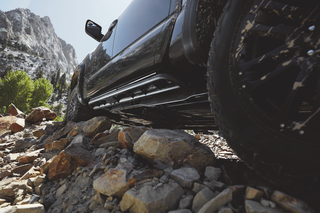
Skill #1: Minding Your Vehicle
The type of vehicle you drive, and its condition are the most important factors to consider when going off-road. If your car or truck isn't well maintained and kitted out for navigating challenging terrain, the risk for injury or vehicle damage rises.
Start your off-road adventures with a vehicle that has some base capability.
4WD or AWD Is Best
Two-wheel-drive vehicles (2WD) are rarely optimal for off-roading ‐ especially for beginners. These options only send power to two wheels, either in the front or rear, depending on the vehicle. This means that if your 2WD truck were to get stuck in mud or a ditch, you might not be able to escape the situation since only the front or back wheels would have power.
On the other hand, 4WD vehicles (or all-wheel drives) like the Nissan Frontier and TITAN, require front and rear locking differentials to ensure that power is simultaneously sent to all four wheels. Flexibility on power delivery and gearing make 4WD ideal for such driving conditions.
Make sure your vehicle is in top-condition
You'll also want to make sure that your truck is prepared for the road ahead by practicing proper car care. The last thing you'd want is damaged windshield wipers when trekking through splashing mud or a failing engine because you forgot to top-up your motor oil.
Before embarking on your journey, make sure that you've completed all of the basics in car care. This includes checking all of your filters and fluids, ensuring your tires, car battery, and brakes are in good shape, and conducting a thorough inspection before embarking on the road less traveled. After all, preparation is a key skill when it comes to having a successful off-road experience.
Skill #2: Tire Pressure
Standard tire pressure recommendations are often for driving on smooth, paved surfaces. However, when steering away from groomed pavements and driving off-road, lower tire pressure can offer your vehicle more grip. Standard tire pressures can cause traction loss and unwanted bouncing.
When off-road driving, reduced PSI can allow for better surface area and ground clearance, meaning that more of your tire's treads can better grip surfaces in low-traction environments. They're also better equipped for flexing and molding themselves around rocks or other obstacles.
Additionally, lowering the air pressure in your tires can help improve weight distribution and absorb more impact, decreasing the risk of damage to your vehicle and tires.
In short, reduced tire pressure equals better traction control in nearly any off-road adventure. You'd also be wise to pack a tire gauge and onboard air compressor for potential adjustments.
Skill #3: Minding Your Weight
Another skill you'll want to keep in your back pocket when off-roading is properly weighting your vehicle. Avoid going over the weight allowance of your car or truck at all costs.
Excessive loads can put stress on essential components like the engine, wheel bearings, suspension system, tires, and more. Plus, heavier weights can negatively affect driving performance, which could mean the difference between successfully pulling out a muddy ditch or getting stuck indefinitely.
Skill #4: Minding Your Gear #&38; Accessories
Off-roading is rewarding but risky business, and ensuring that your vehicle is equipped with the right gear is crucial. From punctured tires and mud traps to body damage and engine troubles, you'll want to make sure that your truck is prepared for whatever rough terrains through your way.
Some gear and accessory items you may want to bring include:
- Fully-equipped tool kit
- Heavy-duty tire repair kit
- Portable tire deflator
- Tire gauge
- Portable air compressor
- Foldable shovel
- Jack and jack stand
- Battery jump starter
- Recovery tracks
- Recovery straps
- First aid kit
- Flashlight
- Extra clothing, food, and water
Skill #5: Minding Your Route
When heading off the pavement, a crucial skill you'll want to acquire is off-road route planning. Make sure that you have a full understanding of the terrain you'll encounter and the routes you're taking so that you know what you're getting into before arriving. After all, you don't want to get caught off guard by arbitrary inclines or potentially dangerous sections of trail.
There are many apps available for download that offer detailed terrain maps and information you may need on the road. Prioritize those with offline access since internet may not always be available during your trip.
You'll also want to develop the skill of foresight, or anticipating the terrain and the challenges it may present to your vehicle. Keep a constant lookout for any changes or obstacles along your route. If you spot a potentially dangerous condition, view the situation from a safe vantage point before moving forward. Doing so could save you hours of recovery time and, in some cases, costly vehicle repair bills.
Skill #6: Minding the Weather
Although 4WD vehicles are often superior to 2WD in certain weather, adverse conditions can still present undesirable setbacks to off-roaders. Along with route planning, you'll also want to check the weather before your departure. Staying up to date can help you avoid getting caught in mudslides and other dangerous conditions caused by storms, rain, and snow.
Skill #7: Minding Your Adaptability
After anticipating your route, potential terrain, and weather conditions, another skill you'll want to develop is adaptability. Although off-roading can be stimulating and fun, it often comes with problems and situations that you may not initially foresee.
When unexpected circumstances like damaged components, closed routes, wheel spins, and unplanned terrain occur, you'll want to be flexible and adjust your plans where necessary. Plowing forward in dubious situations can leave you in a worse position than you started in.
Seasoned off-roaders acknowledge, adapt, and accept when an obstacle is too dangerous, choosing to turn around rather than risk danger to themselves, their vehicle, and their passengers.
Make sure your Nissan is ready to take on the task of off-roading. Deck your vehicle out with the right accessories from Nissan Parts & Accessories, and stop by your local service center for a full vehicle inspection.
Shop NISMO OffroadShop All Nissan AccessoriesView More Blogs