
Where to Start When Fixing Up an Old Car
October 1, 2020
There's great satisfaction in fixing up an old car! In fact, an April 2020 report from the UBS Evidence Lab revealed that more Americans are fixing up their old cars than ever before. Fortunately, you don't have to be a certified auto technician to get under the hood of an old car. We're here to help you travel down the DIY repair route. Follow this simple guide on how to fix up an old car and get it back on the road.
1. Assess Your Repair Situation
Before doing anything else, you've got to figure out what's wrong with your car. It may be something obvious, such as a dead battery. Or it may be something more complicated and costly, like an engine that needs to be replaced.
In some cases, you'll want to leave repairs to the pros who have the equipment and the know-how to take on the really tough jobs. But depending on your comfort level and skills, many car repairs can be tackled at home. Aside from putting in a new battery, fairly simple DIY repairs include replacing windshield wipers, changing filters, and installing new brake pads.
2. Read the Owner's Manual
Think of the owner's manual as your car's rulebook. It offers guidance about when and how to fix your car, among other things.
"Your vehicle owner's manual may not sound like interesting reading material, but taking some time to review this information can potentially save you time and money," the California Bureau of Automotive Repair says. Your owner's manual contains vital information about your specific make and model. With manufacturer recommendations for everything from filters to the oil type, your owner's manual helps take out the guesswork when you're starting your repair job.
3. Look in Your Toolbox
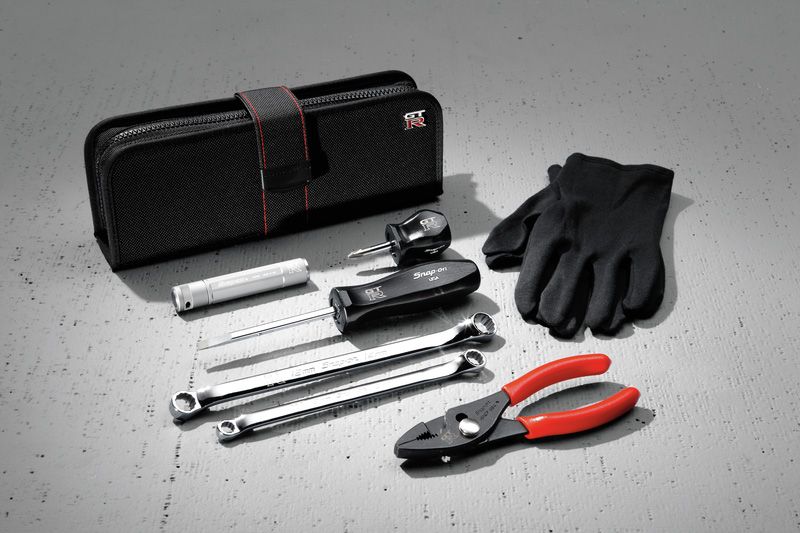
Dig into your toolbox. Check around your garage or your house. Do you have the right tools for DIY car repairs? If not, it's time to buy the proper gear. If you don't already own these items, your DIY shopping list should include a socket set, screwdrivers, wrenches, pliers, power tools, and a standard mechanic's tool set.
Additionally, older cars may require different tools than what you might currently have in your toolbox or on your shopping list. Before you get started, check to see what specific or odd tools are required for your older vehicle.
4. Figure Out Which Parts You Need
So, you've diagnosed the issue (or issues) with your car and you've got the correct tools to do the repairs. Next up: figure out which auto parts and accessories you should buy.
Obviously, one consideration in choosing parts is determining what you're fixing. For instance, you will need a new battery for a car battery replacement job. Or if the spark plugs are worn out, you'll want to buy new spark plugs and related parts.
But what if you're tackling a bigger project, such as installing new brake pads? Aside from the pads, you may need rotors, brake fluid, gloves, and protective eyewear, in addition to various tools like wrenches. When you're shopping for parts, be sure to look for OEM (original equipment manufacturer) parts. OEM parts are made to fit your car.
In addition to mechanical issues, you might also want to address the look of your car. Any number of interior accessories and exterior accessories can help dress up your ride. Interior accessories might include new floor mats, new seat covers, or a new steering wheel cover, while exterior accessories might include a new rear-bumper protector or new splash guards.
5. Fix Your Car
Now that you've got everything else taken care of ‐ including a review of the repair manual and the purchase of replacement parts ‐ your final task is to actually fix up your old car. One of the key things to remember when doing DIY repairs is to create a space for repairing your car. Ideally, that should be your garage. But if that's not an option, pick the driveway.
If you're a true DIY auto enthusiast, consider investing in a shelving system to organize your tools and other repair-related items, and look into setting up a workbench.
Get the Right Parts from Nissan
Old or new, you can fix up your Nissan with help from Nissan Parts! Skip the parts store, and browse our expansive online catalogue of Nissan parts and accessories that fit your specific model and trim. No matter if it's the interior, exterior, or under the hood, you can find the right Nissan DIY parts for the job.